

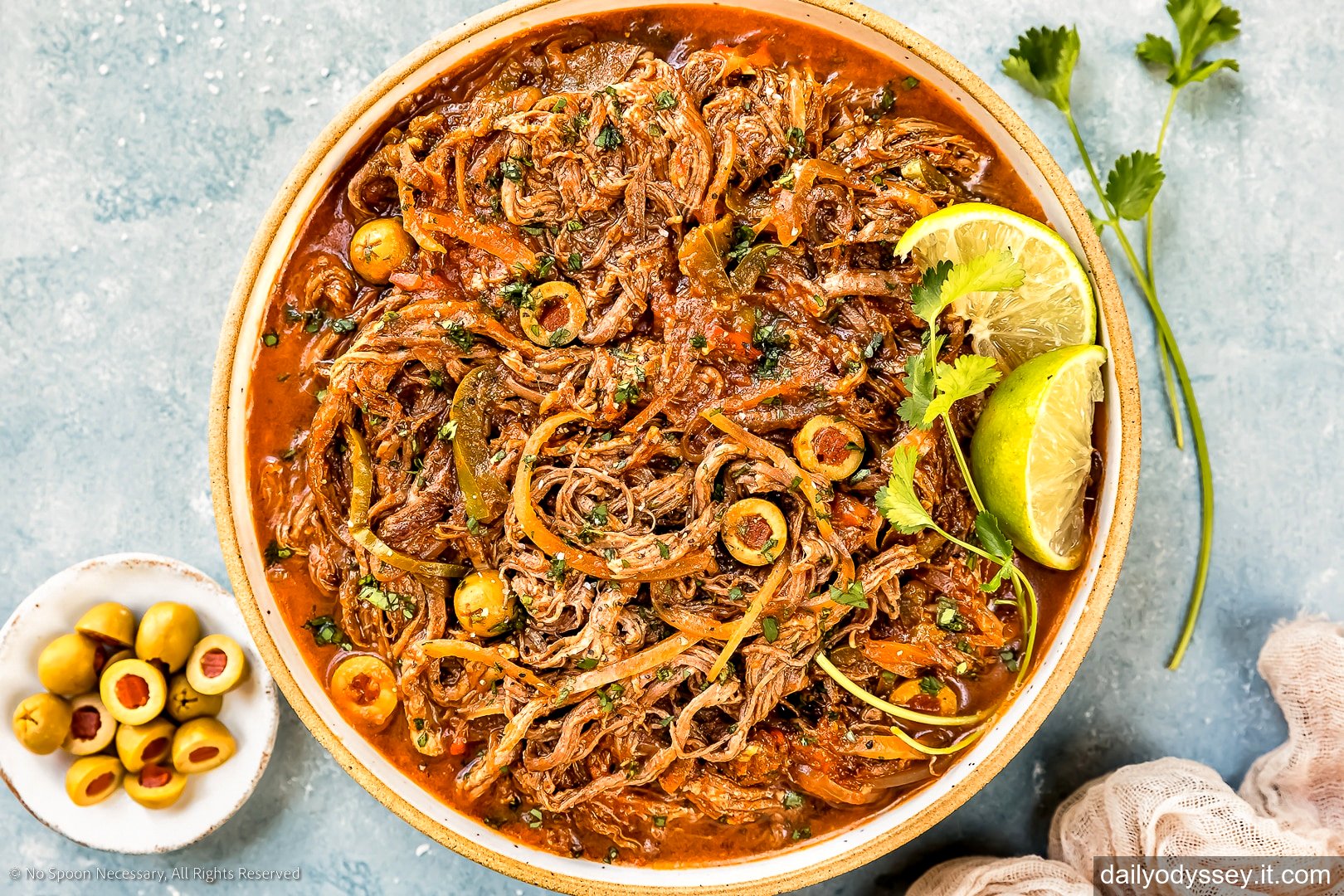
The Rich Cultural Origins and History of Ropa Vieja
Few dishes in Latin American gastronomy carry as much history, soul, and comfort as the iconic traditional Cuban shredded beef dish known as Ropa Vieja. Legend has it that the unique name, which translates literally to “old clothes,” originated from an impoverished old man who had no food to feed his hungry family. Desperate, he shredded his own worn-out clothes, placed them into a cooking pot, and prayed over the bubbling water. Through a loving miracle, the tattered rags transformed into a rich, savory beef stew packed with colorful vegetables and mouthwatering flavor. Beyond folklore, the culinary roots of this masterpiece actually trace back centuries to the Canary Islands of Spain before sailing across the Atlantic Ocean to find its true, immortalized home in the heart of Cuba.
As Spanish settlers migrated to the Caribbean, they brought along classical Mediterranean braising techniques, combining European staple ingredients with vibrant local island herbs, peppers, and garlic. Over generations, Cuban home cooks, abuelas, and neighborhood paladares refined the recipe into the national treasure recognized today. The beauty of this recipe lies in its patient preparation: humble cuts of beef are transformed through slow simmer techniques into tender, succulent strands that absorb every drop of an aromatic, tomato-and-wine infused sauce. Finding a kitchen that respects this long-standing heritage is essential for anyone seeking an authentic epicurean experience that truly honors the rich traditions of Havana.
In modern dining, food lovers around the globe actively search for the best ropa vieja cubana near me to experience this magical comfort food without having to board a flight to the Caribbean. Whether served at a rustic family-run diner or an elevated modern Latin eatery, a truly great execution of this dish evokes immediate nostalgia and warmth. The harmonious blend of savory flank steak, sweet bell peppers, acidic tomato paste, and earthy spices captures the essence of home-style island cooking. Understanding the historical context behind the meal allows diners to appreciate every delicate strand of beef and deeply layered spoonful of sauce served on their plate.
Anatomy of Authenticity: Essential Ingredients and Cooking Techniques
To truly understand what makes a restaurant serving this classic dish extraordinary, one must inspect the fundamental ingredients that build its signature flavor profile. At the foundation of every remarkable batch is high-quality flank steak or skirt steak—known in Spanish as carne de res desmechada. The choice of meat is paramount because it must contain enough fibrous structure to shred easily while retaining immense moisture after long hours of gentle braising. Choosing inferior cuts or rushing the simmering process results in dry, chewy textures, whereas high-grade beef simmered low and slow yields tender strands that effortlessly melt on the tongue, absorbing the complex surrounding broth like a sponge.
Equally critical to the recipe is the aromatic base known as the sofrito. This essential Latin American flavor foundation is created by gently sautéing minced garlic (ajo), sweet yellow onions (cebolla), and vibrant red and green bell peppers (pimientos) in rich extra virgin olive oil. The vegetables are cooked until tender and caramelized, releasing their sweet natural juices into the pan. This aromatic mixture provides the earthy backbone for the entire meal, ensuring that every bite carries a perfect harmony of savory aromatics, vibrant colors, and natural sweetness that complements the rich profile of the shredded beef.
Finally, the liquid braising element elevates the beef from simple stewed meat to a masterpiece. The slow-cooking liquid features concentrated tomato puree, fragrant bay leaves (hoja de laurel), dried oregano, warm cumin, and a splash of Spanish red wine (vino tinto) or dry sherry. The addition of wine cuts through the richness of the beef while adding a subtle fruitiness and deep burgundy hue to the sauce. Some traditional chefs even toss in green olives or capers for a sharp briny contrast. When exploring options for the best ropa vieja cubana near me, checking if a kitchen uses these exact slow-braising methods will guarantee you receive an authentic taste of Cuba.
What Makes an Outstanding Restaurant Execution?
Distinguishing an exceptional plate of Ropa Vieja from an average one comes down to precision, timing, and balance. First and foremost is sauce consistency. The ideal sauce—or gravy—should neither be thin and watery like a broth nor overly thick and pasty like a pureed marinara. Instead, it must naturally coat the back of a spoon and cling generously to each strand of beef. The acidity of the tomatoes and wine must be perfectly balanced against the savory meat juices and caramelized peppers, creating a rich, velvet-like texture that enhances the beef without drowning out its natural beefy flavor profile.
The texture of the meat itself serves as another major benchmark of quality. True authentic preparation requires cooks to hand-shred the cooked beef along its natural grain once it has softened during the initial boiling phase. Shredding by hand, rather than using mechanical blades or modern kitchen choppers, yields long, elegant strands that closely resemble fabric—living up to the historical name of the dish. When dining at a top-tier Cuban eatery, each forkful should reveal juicy, long shreds of beef that have spent hours soaking up the simmered vegetables and spiced reduction.
No serving of shredded Cuban beef is complete without its traditional sidekick companions. A standard authentic presentation features a mound of fluffy white rice (arroz blanco), seasoned slow-cooked black beans (frijoles negros), and golden caramelized sweet plantains (maduros) or crispy fried green plantains (tostones). The sweet notes of maduros cut through the savory, tangy notes of the beef, creating a perfectly balanced bite. Anyone hunting for the best ropa vieja cubana near me should evaluate whether the venue treats these side dishes with the same culinary respect and authentic preparation as the main protein.
Key Indicators When Searching for the Best Ropa Vieja Cubana Near Me
When searching online or exploring local neighborhoods for top-rated Cuban restaurants, knowing what red flags to avoid and what green flags to look for can save you time and money. Start by examining guest reviews and photo galleries carefully. Look for real diner photos showing rich red-brown sauces studded with visible slivers of colorful bell peppers and onions. If the dish in photos appears pale, dry, or served without a rich pool of glistening sauce, the restaurant might be taking shortcuts like re-heating pre-packaged meat or using quick-cook boiling methods that strip away tender textures.
Another crucial indicator of authenticity is the overall structure of the restaurant’s menu. Family-owned establishments, traditional Cuban cafeterias, and long-standing paladares usually feature classic slow-cooked comfort staples like lechón asado, vaca frita, and classic Cuban sandwiches alongside their beef dishes. Restaurants that prioritize traditional batch cooking often allow their braises to sit and mature, which actually improves the flavor overnight. If a menu boasts that their shredded beef is made fresh to order in under ten minutes, it is highly likely that they are skipping the essential hours-long braising technique required for authentic depth.
Lastly, pay close attention to the local culinary community’s feedback. Authentic Latin American restaurants often gather loyal followings from native islanders and passionate food enthusiasts who demand accurate regional flavors. When you type the phrase best ropa vieja cubana near me into search engines or local food apps, read customer feedback specifically searching for words like “tender,” “flavorful,” “authentic,” and “just like my abuela makes.” Positive sentiment around these key descriptors is a sure sign that you have located a kitchen that respects Cuban culinary heritage.
Perfect Pairings to Elevate Your Cuban Dining Experience
Enjoying a classic serving of shredded Cuban beef is an immersive cultural experience that becomes even more delightful when paired with complementary beverages and starters. To start your meal, consider ordering iconic starters like crisp ham croquettes (croquetas de jamón), stuffed cassava balls (yuca rellena), or warm empanadas filled with seasoned ground beef. These crispy appetizers stimulate the appetite and provide a delightful textural contrast to the tender, sauce-rich main course that follows.
When it comes to beverage pairings, refreshing, acid-forward drinks work best to complement the rich, savory nature of the meal. A classic Cuban Mojito made with white rum, fresh squeezed lime juice, muddled mint, and cane sugar provides a crisp, cool balance that cleanses the palate between warm bites of spiced beef. If you prefer wine, choose a medium-bodied Spanish Tempranillo or Rioja. The subtle tannic structure, oak notes, and red fruit characteristics of these red wines harmonize seamlessly with the tomato, garlic, and wine reduction sauce.
Exploring classic Latin dining culture also opens the door to discovering other rich regional traditions across different cultures, from flavorful Caribbean stews to delicious traditional Latin American treats served for dessert in neighboring culinary traditions. To round off an authentic Cuban meal, never skip dessert. Classic options like rich vanilla custard flan (flan de leche), decadent three-milk cake (tres leches), or a strong, sweet shot of dark espresso (cafecito or cortadito) provide the ultimate sweet conclusion to a deeply satisfying dining adventure.
Recreating the Magic: Tips for Cooking Authentic Ropa Vieja at Home
If you cannot find a local restaurant that satisfies your cravings, preparing this famous dish at home is an extremely rewarding weekend cooking project. Start by visiting a quality local butcher to select a well-marbled piece of flank steak or brisket. Before placing the meat into your cooking pot, season it generously with kosher salt, black pepper, and garlic powder, then sear it on high heat in a heavy Dutch oven until a deep brown crust forms. Searing locks in essential juices and leaves brown bits (fond) on the bottom of the pot, creating an incredibly rich flavor base for your braising liquid.
Patience is the single most important ingredient when cooking this dish from scratch. After searing the beef, remove it temporarily and build your aromatic sofrito directly in the same pan using diced onions, bell peppers, and fresh garlic. Deglaze the pot with a generous splash of dry Spanish red wine, scraping up all the caramelized bits from the bottom. Reintroduce the beef along with tomato paste, crushed tomatoes, beef broth, cumin, oregano, and bay leaves. Cover the pot tightly and let it gently simmer over low heat for two to three hours until the meat can be effortlessly shredded using two forks.
Once the meat is shredded, submerge the loose beef strands back into the thick, bubbling sauce and let them simmer uncovered for an additional twenty minutes. This final step allows the shredded beef to drink up the concentrated spices, wine, and tomato essence. In fact, many experienced cooks agree that the dish tastes even better the next day after resting overnight in the refrigerator. Mastering this process at home allows you to enjoy restaurant-quality meals whenever you crave the best ropa vieja cubana near me, bringing warm Caribbean comfort directly into your own kitchen.
