

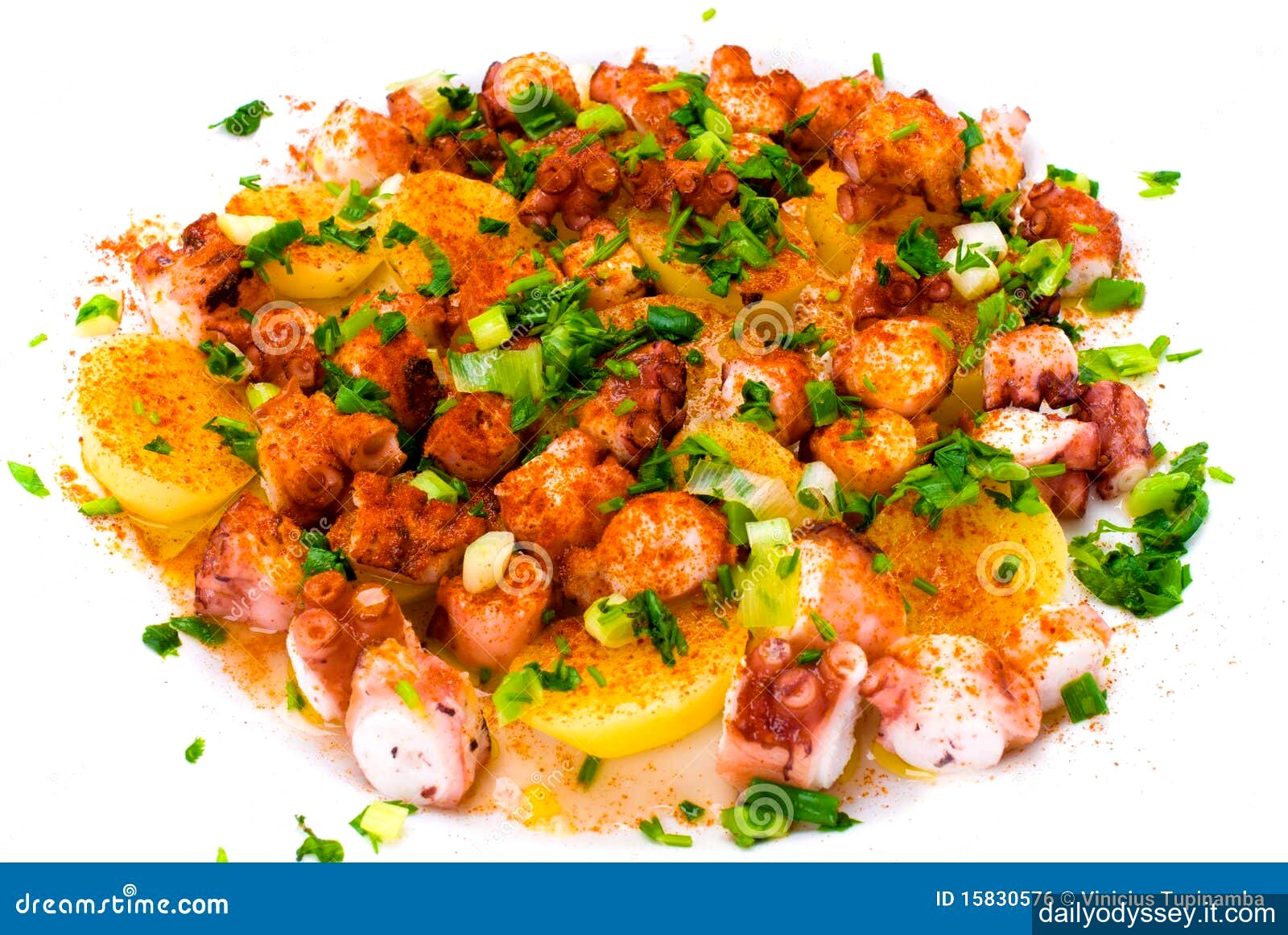
The Magic of Galician Gastronomy: What is Pulpo a Feira?
Pulpo a feira, also widely known as polbo á feira in its native Galician tongue, is one of the most celebrated and beloved seafood delicacies in Spanish gastronomy. Hailing from the rugged Atlantic coast of Galicia in northwestern Spain, this legendary dish is the epitome of culinary simplicity and perfection. It features tender, perfectly boiled octopus served on a rustic wooden plate, generously drizzled with premium extra virgin olive oil, and dusted with coarse sea salt and smoked Spanish paprika (pimentón). For seafood lovers and culinary explorers seeking an authentic taste of Spain, finding the best pulpo a feira near me is a highly rewarding journey that connects you directly to centuries of rich maritime culture.
The beauty of this classic dish lies in its minimalist approach, where the absolute quality of each individual ingredient must stand on its own. To experience pulpo a feira in its truest form, diners must look past generic, commercialized tapas bars and search for specialized establishments that honor ancient Galician culinary traditions. Whether you live in a bustling metropolis or a quiet coastal town, learning how to distinguish authentic preparation methods from mass-produced versions is the first step in your culinary adventure. This comprehensive guide will help you decode the cultural background of this seafood marvel and assist you in locating the absolute best pulpo a feira near me.
Understanding what makes this dish so extraordinary is essential for appreciating the immense skill required to cook it. Traditional pulperos (octopus chefs) spend years mastering the exact cooking times to ensure the meat achieves the perfect “al dente” texture—tender to the bite but never rubbery or mushy. As Galician gastronomy continues to grow in popularity worldwide, more restaurants are dedicating themselves to reproducing these time-honored techniques. By knowing what to look for, you can easily discover hidden culinary gems that serve this historic masterpiece with the respect and quality it deserves.
The Rich History and Cultural Origins of Polbo á Feira
To truly appreciate why you are embarking on a search for the best pulpo a feira near me, it is fascinating to explore its unique historical roots. Surprisingly, despite being a famous coastal seafood dish, its modern preparation actually originated in the inland agricultural regions of Galicia rather than on the coast. Centuries ago, dried octopus was used as a valuable currency and trade commodity between coastal fishermen and inland farmers. During regional livestock fairs (feiras) held in inland towns, muleteers known as Maragatos would rehydrate the dried octopus, boil it in large copper pots, and dress it with olive oil and paprika, which they carried from their trade travels to the south.
This inland fair tradition is precisely why the dish is named “pulpo a feira,” which literally translates to “fair-style octopus.” Over time, as trade routes improved and fresh seafood became more widely accessible, the dish transitioned from a humble fairground sustenance to a symbolic national treasure celebrated throughout Spain. Today, when you sit down at a rustic wooden table to enjoy this delicacy, that search for the best pulpo a feira near me becomes a quest for culinary truth, linking your modern dining experience to generations of historical trade, travel, and festive gatherings.
The cultural legacy of the pulperías (specialized octopus taverns) remains incredibly powerful in Spain. In historical Galician regions like O Ribeiro and Carballiño, the preparation of pulpo is treated with the reverence of a sacred ritual. Every major town festival features massive, steaming copper cauldrons tended by skilled pulperos, drawing crowds of hungry locals from miles around. Recreating this vibrant, festive atmosphere in modern urban areas is a challenge, which is why finding a local restaurant that successfully captures this authentic spirit is such a prized discovery for food enthusiasts.
Culinary Perfection: How Authentic Pulpo a Feira is Prepared
The preparation of pulpo a feira is a deceptive art form that demands patience, precision, and high-quality raw ingredients. It requires only four basic components: fresh or high-quality frozen octopus, extra virgin olive oil, sweet or spicy smoked Spanish paprika (pimentón), and coarse sea salt. Traditional pulperos boil the octopus in large copper cauldrons, which are believed to maintain and distribute heat more evenly while imparting a subtle, unique flavor profile to the cooking water. Before fully submerging the octopus, it must be “scared” (asustado) by being dipped into the boiling water three times by its head. This technique curls the tentacles and prevents the delicate outer skin from peeling off during the cooking process.
Once cooked to the perfect consistency, the octopus is sliced into thick, bite-sized medallions using sharp brass scissors. It is traditionally served on a round, thick wooden plate that has been pre-soaked in the warm cooking broth. This wood choice is crucial, as it absorbs excess moisture while retaining heat, keeping the octopus warm throughout the entire meal. The sliced octopus is then finished with a generous drizzle of premium extra virgin olive oil, a heavy dusting of high-quality pimentón, and a scatter of coarse sea salt. This precise combination of tender meat, silky oil, and crunchy salt is exactly what you should expect when tasting the best pulpo a feira near me.
Any deviation from these traditional methods can drastically alter the final flavor and texture of the dish. For instance, serving the octopus on a cold ceramic plate causes the oil to coagulate and the meat to cool down too quickly, while using fine table salt instead of coarse sea salt ruins the essential structural crunch. True culinary connoisseurs can immediately detect if a kitchen has taken shortcuts, such as microwaving pre-sliced, pre-packaged octopus. Authentic preparation is a labor of love, and recognizing these fine details is key to finding a restaurant that serves a truly legendary version of the dish.
The Global Rise and Market Trends of Galician Gastronomy
In recent years, Galician cuisine has experienced a massive global renaissance, driving an increasing number of food lovers to search for the best pulpo a feira near me online. What was once a regional secret has captured the attention of international food critics, Michelin-starred chefs, and culinary enthusiasts alike. The growing global trend toward the healthy, nutrient-rich Mediterranean diet, combined with a rising appreciation for rustic, heritage-based cooking styles, has propelled octopus from a niche seafood option to a mainstream delicacy featured in top-tier dining destinations from London to New York.
This culinary boom is also reflected in the rising market value and growth trends of specialized Spanish restaurants worldwide. Industry data shows a significant increase in the importation of premium Spanish octopus, authentic Galician olive oils, and pimentón de la Vera to meet global consumer demands. Because of the rising popularity and premium market value of authentic seafood tapas, finding the best pulpo a feira near me is easier than ever before, as modern chefs strive to recreate genuine Spanish dining experiences to satisfy an increasingly sophisticated and adventurous customer base.
Furthermore, the rising popularity of food tourism has encouraged diners to seek out authentic regional dishes closer to home. Modern diners are no longer satisfied with generalized, generic “Spanish-style” menus; they demand specific, regionally accurate dishes like pulpo á feira, served exactly as it would be in a bustling market square in Santiago de Compostela. This high expectation has pushed local restaurateurs to source authentic ingredients directly from Galicia and employ traditional cooking techniques, raising the overall quality of international Spanish dining.
How to Find the Best Pulpo a Feira Near Me
When embarking on a quest to find the best pulpo a feira near me, your search should begin with targeted research and local exploration. Rather than visiting large-scale, generic Spanish restaurant chains, focus your efforts on independent, family-run establishments that explicitly highlight Galician heritage on their menus. Look for traditional keywords like “Pulpería,” “Taberna Galega,” or listings of regional delicacies such as empanada gallega, pimientos de Padrón, and Albariño wines. These specialized restaurants are far more likely to employ experienced chefs who respect traditional cooking times and source authentic ingredients.
Reading customer reviews and examining user-submitted photos on local dining directories can also provide invaluable clues. Pay close attention to how the octopus is presented in photos; if it is served on a traditional wooden plate rather than a ceramic dish, it is a strong indicator that the establishment respects authentic traditions. Reviews that praise the texture of the octopus—using words like “tender,” “perfectly cooked,” or “authentic bite”—are excellent indicators. Utilizing these telltale signs will help you identify the best pulpo a feira near me with high accuracy.
Don’t hesitate to ask the restaurant staff directly about their cooking process. Ask if they boil the octopus in-house and if they use traditional wooden plates for serving. A proud Galician chef or knowledgeable server will be more than happy to share details about their sourcing, preparation, and dedication to cultural authenticity. Local culinary forums, food blogs, and recommendations from Spanish expatriates living in your city can also lead you to hidden gems that might not have massive marketing budgets but serve spectacular, authentic food.
Pairing Your Pulpo: Wines and Side Dishes to Complete the Feast
To truly elevate your culinary experience, you must pair your octopus with the traditional accompaniments that complement its rich, smoky, and savory flavors. In Galicia, pulpo a feira is almost always served alongside “cachelos,” which are local potatoes boiled in the same red-tinged water used to cook the octopus. The potatoes absorb the subtle octopus juices and are seasoned with the same olive oil and paprika, creating an incredibly comforting and harmonious side dish. Pairing these together is essential to fully satisfy your craving for the best pulpo a feira near me.
The perfect beverage pairing is equally critical to complete your Spanish feast. The high acidity, crisp minerality, and stone-fruit notes of Galician white wines, such as Albariño or Ribeiro, cut through the richness of the olive oil and highlight the delicate sweetness of the octopus. While searching for the perfect seafood meal, you might also find yourself craving other regional specialties or classic comfort foods. If you ever want to transition from premium seafood to a classic, hearty fast-food experience, finding the best frankfurter with mustard near me can satisfy that craving for simple, savory comfort in a completely different way.
Ultimately, enjoying a meal of pulpo a feira is about celebrating the simplicity of high-quality ingredients and the joy of shared dining. Gathering around a wooden platter with friends, sharing stories, and dipping crusty bread into the leftover paprika-infused olive oil is an experience that transcends geographical boundaries. By following this guide and knowing exactly what details to look for, your ultimate quest to experience the best pulpo a feira near me will lead you to an authentic taste of Spain’s beautiful Atlantic coast, right in your own neighborhood.
