

Unveiling the Midnight Masterpiece: What Makes a Medianoche Unique?
The medianoche sandwich is one of the most celebrated culinary gems born from Cuban tradition, carrying a rich narrative that bridges Havana’s vibrant nightlife with Florida’s thriving Latin dining scene. Originally created in Havana, Cuba, during the late 19th and early 20th centuries, this delicious sandwich earned its name—which translates directly to “midnight”—because it was traditionally served in night clubs and cabaret venues to late-night partygoers leaving the dance floor around midnight. When Cuban immigrants brought their iconic recipes to South Florida, the sandwich quickly established itself alongside the classic Cuban sandwich as an indispensable staple of Latin American street food. Understanding the origins of the iconic medianoche sandwich allows diners to appreciate every layer of flavor, from the rich slow-roasted pork to the unique sweet egg dough bread that defines its signature profile. If you are looking to indulge in a slice of culinary history, searching for the best medianoche sandwich near me is the perfect way to begin your gastronomic journey.
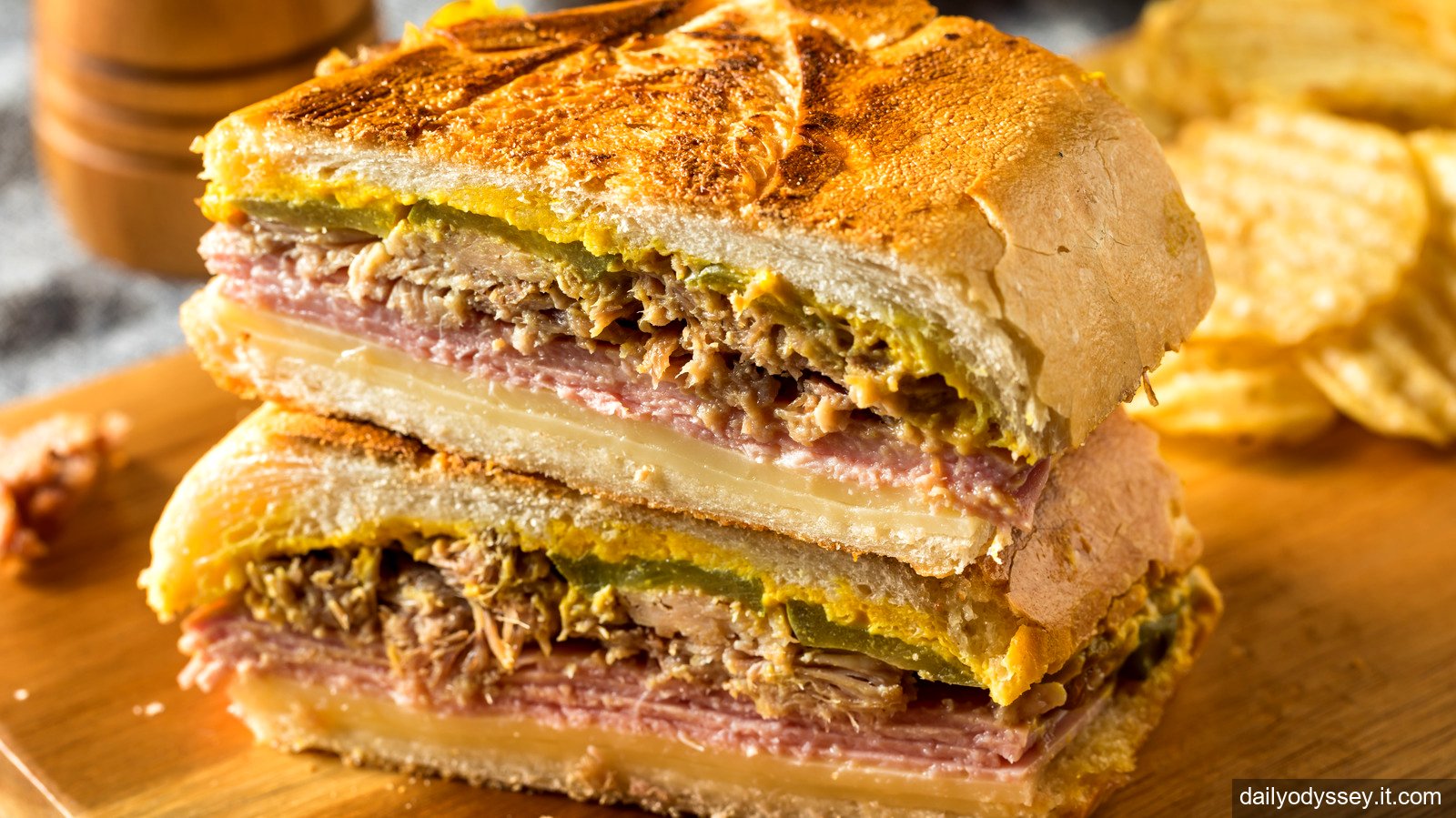
At the absolute heart of the medianoche experience is a harmonious assembly of hearty, deeply savory ingredients offset by a subtle sweetness. The layer structure features succulent, citrus-marinated slow-roasted pork tenderloin or shoulder, thin slices of sweet glazed ham, melted Swiss cheese, crisp sour dill pickles, and a light smear of classic yellow mustard. Unlike many heavy sub sandwiches or grilled paninis that rely on excessive sauces or greasy spreads, the medianoche achieves its remarkable depth through high-quality meats and carefully balanced acidity from the pickles and mustard. The true secret, however, lies in the specific variety of bread used during preparation. While standard sandwiches rely on crusty white rolls, an authentic medianoche requires pan suave, a soft, rich egg-based bread that resembles challah or brioche, giving the entire sandwich its characteristic golden hue and luxurious, tender mouthfeel.
The cooking technique applied to a medianoche is just as crucial as the ingredient selection when evaluating a neighborhood eatery. Traditional sandwich makers place the assembled sandwich inside a specialized heavy flat press known as a plancha, applying medium, gentle pressure to warm the interior components evenly. Unlike a traditional Cuban sandwich, which is pressed aggressively until the crust becomes shatteringly crisp and flattened, a medianoche requires a gentler touch so that the soft egg bread becomes delicately toasted on the outside while retaining its light, fluffy interior crumb. This delicate balance of melted Swiss cheese, warm savory pork, and warm, pillowy sweet bread creates a sensory contrast that keeps diners coming back for more. Finding a local establishment that respects this press technique guarantees you will experience the absolute best medianoche sandwich near me when those late-night or lunchtime cravings strike.
The Essential Ingredients: Anatomy of the Perfect Medianoche
To truly appreciate what sets a top-tier medianoche apart from average deli offerings, one must break down the core components that compose this Latin classic. The foundational pillar is undoubtedly the sweet egg bread, often referred to in authentic Cuban bakeries as pan suave or pan de medianoche. This dough is enriched with egg yolks, butter, and a hint of sugar, yielding a delicate, slightly sweet crumb with a golden exterior crust. When pressed, the sugars in the dough caramelize slightly on the plancha surface, enhancing the overall flavor without overpowering the savory filling inside. Without this exact bread structure, a sandwich cannot legally or culinarily claim the medianoche title, making bread quality the primary metric when grading local Cuban sandwich shops.
Equally critical to the sandwich profile is the preparation of the meat layers, which demand patience, precise seasoning, and traditional marination techniques. The roasted pork shoulder, known locally as lechón asado, must be heavily marinated in a fragrant mojo mixture made from sour orange juice, fresh minced garlic, oregano, cumin, and sea salt before being slow-roasted for several hours until tender enough to pull apart easily. Paired alongside thin slices of sweet, smoky ham, the two pork variations create a multi-dimensional savory base that anchors the entire dish. Cheaper shortcuts, such as using plain pre-cooked deli pork or standard lunch meats, severely compromise the authentic depth of flavor that authentic Cuban restaurants work tirelessly to achieve.
The final touches of the medianoche construct provide essential texture and acidity that slice through the richness of the meats and sweet bread. Slices of Swiss cheese are layered carefully between the hot meats so that they melt thoroughly during the pressing phase, binding the pork and ham together in a gooey layer. Tangy dill pickle chips add a necessary crispness and vinegary punch, while a thin line of classic yellow mustard provides a bright, sharp contrast to the rich fat content. When all these components come together under the steady heat of a sandwich press, the resulting creation explains why so many food enthusiasts continually search for the best medianoche sandwich near me in their local dining directories.
Top Destinations for an Authentic Medianoche Sandwich
When searching for world-class Cuban cuisine in the United States, Miami, Florida, stands out as the undisputed epicenter of authentic medianoche production. Legendary establishments on Little Havana’s historic Calle Ocho, such as Versailles Restaurant and Old’s Havana Cuban Bar & Cocina, have been serving thousands of perfectly pressed medianoches to locals and travelers for decades. Modern culinary spots like Sanguich De Miami have elevated the classic sandwich by curing their own hams, marinating pork in house-made mojo recipes, and baking custom sweet egg bread daily. Meanwhile, beloved neighborhood landmarks like Enriqueta’s Sandwich Shop in Wynwood and Tinta y Café in Coral Gables continue to preserve timeless recipes that keep long queues forming outside their doors every morning.
Beyond the famous dining halls of Little Havana and Coral Gables, incredible medianoche sandwiches can be discovered tucked away in casual cafes, ventanitas (walk-up windows), and multi-service neighborhood hubs. Places like Mary’s Cafe & Coin Laundry provide late-night diners with 24/7 access to hot, freshly pressed medianoches alongside strong Cuban espresso, staying true to the sandwich’s original late-night heritage. Other fan favorites across South Florida include Rinconcito Cubano of Kendall and Luis Galindo Latin America Restaurant, where generous portions and traditional press work ensure every order delivers maximum flavor. These establishments prove that authentic Cuban comfort food thrives across both modest coffee windows and celebrated sit-down restaurants.
Fortunately, the popularity of Cuban cuisine has spread far beyond the borders of South Florida, bringing exceptional Latin bakeries and eateries to major metropolitan areas nationwide. From specialized food trucks and coastal dining spots like The Dead Dog Saloon to urban Latin bistros across the country, local chefs are honoring traditional pressing techniques and sourcing authentic egg bread. Digital delivery platforms like DoorDash and localized restaurant guides make locating these hidden gems simpler than ever before. Whether you reside in Florida or are exploring new culinary neighborhoods across the country, discovering the best medianoche sandwich near me allows you to experience authentic Latin flavors regardless of your geographic location.
Medianoche vs. Cuban Sandwich: Key Differences Explained
While the medianoche and the traditional Cuban sandwich (often called a Cubano) share nearly identical internal ingredients, they are distinct culinary creations that cater to different textural preferences. The most immediate and significant difference lies exclusively in the choice of bread. A standard Cuban sandwich is constructed using pan cubano, a long white bread loaf made with lard or vegetable shortening that features a paper-thin, crisp outer crust and a lighter, airier interior crumb. In contrast, the medianoche uses sweet egg bread that is noticeably richer, denser, and yellow in color. This fundamental difference in bread alters the overall taste balance, giving the medianoche a warmer, sweeter overall profile compared to the salty, savory crunch of a standard Cubano.
Another major point of divergence between these two iconic sandwiches is the way they react to heat and pressure on the plancha press. Because traditional Cuban bread is dry and crusty, it requires generous heat and heavy mechanical pressure to compress the sandwich down into a thin, ultra-crispy slab. The medianoche, owing to the high egg and butter content in its loaf, warms up much faster and requires lighter press pressure to keep from turning soggy or burning. The result is a sandwich that maintains a soft, pillow-like bite with just enough surface toastiness to hold the melting Swiss cheese, ham, and pork securely inside without crushing the soft dough structure.
Understanding these subtle distinctions helps diners decide exactly what kind of comfort food experience they are craving when scanning a menu. Those who favor a loud, shatteringly crisp crunch and a savory salt forward profile will generally lean toward the traditional Cuban sandwich. However, diners who prefer a tender, rich bite where sweet and savory notes melt together seamlessly will almost always prefer the medianoche. Next time you consult a dining guide or search online for the best medianoche sandwich near me, keeping these distinct bread characteristics in mind will ensure you order the exact style of Cuban sandwich that matches your appetite.
How to Identify a Quality Local Cuban Bakery or Sandwich Shop
Spotting a genuinely exceptional Cuban sandwich shop requires looking past fancy interior decor and evaluating the core operational practices of the kitchen. Authentic establishments almost always showcase a bustling ventanita where customers can order hot cafecito, pastelitos, and sandwiches directly from the sidewalk. A key indicator of quality is whether the eatery bakes its sweet egg bread on site or sources it fresh daily from a local commercial Latin bakery. Furthermore, the kitchen should feature a dedicated flat iron press rather than a standard commercial toaster, ensuring the sandwiches are pressed evenly with consistent heat. Operating a top-tier eatery demands relentless focus on quality control, customer service, and daily expense management.
Another reliable sign of a superior medianoche shop is the care placed into their meat preparation and assembly process. High-quality shops marinate their pork shoulder in real citrus juice, garlic, and spices, roasting it in-house until tender rather than relying on processed, pre-packaged meats. When watching the line cook assemble your order, pay attention to the layering structure; the meats and cheese should be distributed evenly from edge to edge so every bite delivers a uniform ratio of ingredients. Just as managing local business finances or finding the best tax services near me requires attention to detail and precision, crafting a memorable sandwich relies on mastering every tiny element of the preparation process.
Finally, community feedback and local culinary reputation offer strong indicators of where to find the finest sandwiches in town. High ratings on local review platforms, recommendation threads in regional food communities, and steady lunch crowds filled with local residents are clear signs of authentic food. Check if the shop offers complementary Cuban specialties like croquetas de jamón, empaniadas, or sweet plantains, as menu depth usually reflects a commitment to traditional Latin cooking. Taking a few minutes to research local feedback ensures that when you press order or walk up to a counter, you are spending your time and money on the best medianoche sandwich near me available in your area.
Tips for Crafting a Restaurant-Quality Medianoche at Home
If you do not live near an authentic Cuban bakery, crafting a stunning, restaurant-quality medianoche sandwich in your home kitchen is remarkably simple with the right ingredients. The most important step is sourcing or substituting the proper sweet egg bread. Look for traditional pan suave at Latin specialty grocers, but if none is available, a soft brioche loaf, challah, or sweet Hawaiian roll loaf makes an outstanding alternative. Avoid using dry sandwich bread or crusty French baguettes, as these lack the soft crumb and subtle sweetness required to mirror an authentic medianoche experience.
For the interior fillings, invest time in preparing a quick homemade mojo pork roast or purchase high-quality citrus-marinated pulled pork from a local deli. Layer your sandwich thoughtfully: start with a layer of yellow mustard on the bottom slice of sweet bread, followed by thin dill pickles, slow-roasted pork, sweet baked ham, and sliced Swiss cheese. Placing the cheese on top of the warm meats ensures it melts quickly during pressing. Avoid overstuffing the sandwich with excessive layers, as an overly thick medianoche will not heat through evenly on a stove-top press before the delicate sweet bread begins to scorch.
To press your home-made medianoche without a commercial plancha, place a heavy skillet or cast-iron pan directly on top of the sandwich in a non-stick skillet over medium-low heat. Apply light, steady pressure and cook for approximately three to four minutes per side until the outer bread turns a light golden brown and the Swiss cheese is completely melted. Slice the finished sandwich diagonally across the middle and serve immediately alongside fresh plantain chips and a shot of hot Cuban espresso. Whether you choose to master this recipe at home or order out from a neighborhood Cuban cafe, searching for the best medianoche sandwich near me promises a memorable taste of Latin culinary tradition.
